What Is Merchandising?

Ecommerce merchandising is the strategic process of presenting, organizing, and promoting products in an online store to maximize customer engagement, conversion rates, and revenue. It combines data-driven product placement, visual presentation, and personalized experiences to guide shoppers toward the right products at the right time.
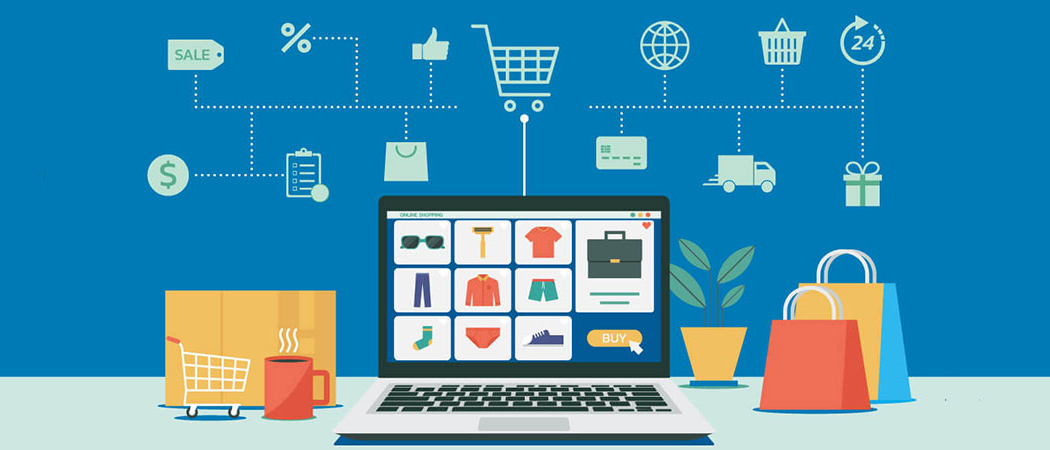
a woman's clothing and accessories displayed on a purple background

Merchandising From Retail to eCommerce: The Benefits of Visual Design

Merchandising is a retail strategy that promotes products and influences customer behavior in order to increase sales. Products can be displayed or presented in creative ways to entice customers to purchase.

This key process utilized by merchants all around the world has evolved from shelving coordination in brick-and-mortar stores to stylized techniques on digital websites. Here's everything you need to know about the evolution of merchandising from the basics to the advanced strategies of top-selling eCommerce merchants.


The Basics of Merchandising

Merchandising is as old as trade itself. Merchants must inspire the buyer to gain trust in order to sell.

In old markets, visual merchandising was important: placing the freshest and most vibrant products visibly attracted sales.

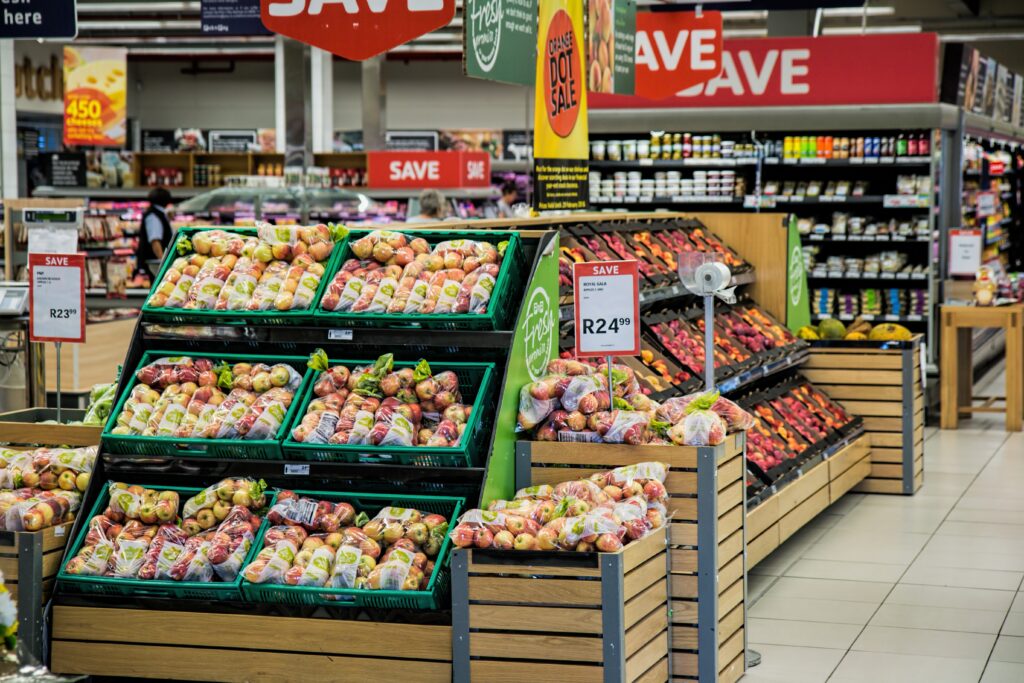
Merchandising displays are created depending on the business needs. If a vegetable seller has a low inventory of apples, they might be placed at the back of the store to limit the potential for stockouts. If watermelons aren't in season and are selling for more than average, placing them at the front of the store could draw more attention. 

a grocery store filled with lots of fresh produce

» Start at the beginning: The evolution of merchandising

Benefits of Merchandising

  • Increased sales & revenue: By strategically showcasing the most popular, profitable, or new products, you can ensure that they're easily found by customers and have a higher chance of being purchased. Additionally, personalized recommendations increase the chance of sales as customers find exactly what they need.
  • Faster inventory turnover: Effective merchandising helps identify slow-moving inventory and allows you to adjust pricing, implement promotions, or optimize stock levels by analyzing sales data and customer behavior. This also helps you forecast and prepare for future merchandising trends.
  • Improved customer satisfaction: From a customer perspective, shoppers benefit from a smoother product discovery journey, increasing their satisfaction and boosting their customer loyalty.
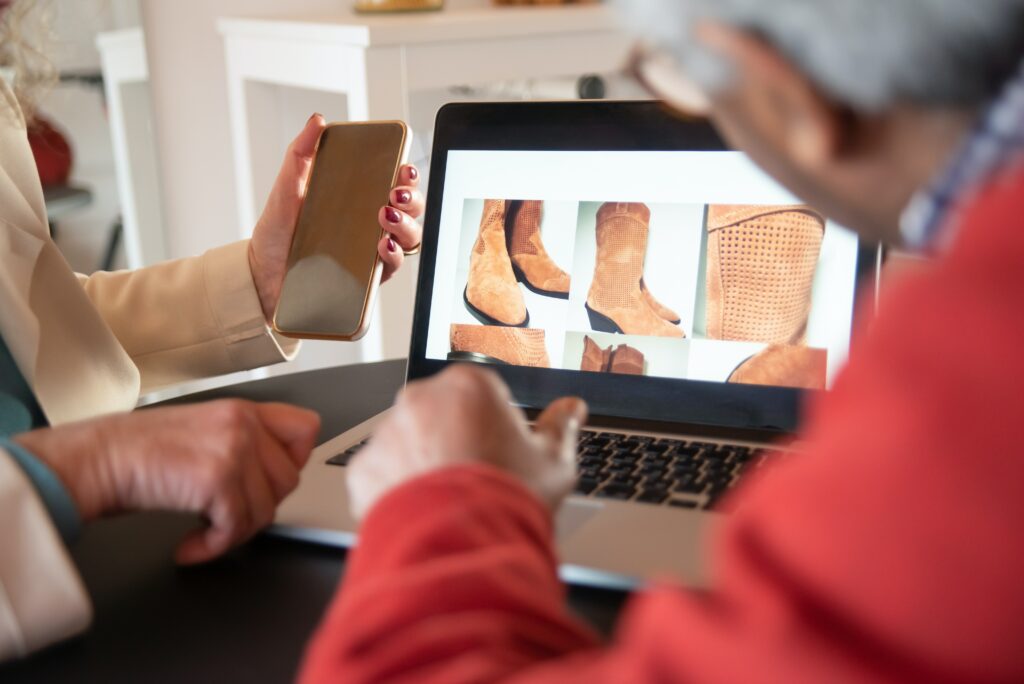
  • Enhanced brand image: A professional and well-organized store reflects positively on your brand, helping differentiate you from the competition and leaving a lasting impression on your customers.
  • Data-driven decision-making: Effective merchandising enables analytics tools to track customer behavior, measure the effectiveness of merchandising strategies, and identify areas for improvement.

» Here are some data-backed strategies to increase AOV


What Is Digital Merchandising?

Over time, merchandising has grown in complexity, evolving to meet modern consumer demands. With the growth of eCommerce, digital online merchandising has given a whole new dimension to the art.

Consumer tastes and trends change quickly, styles and product lines are introduced at an accelerated pace, and everything is available on display 24/7. This puts more pressure on merchandisers, who must use a variety of automation tools to keep up.

Online merchandisers control the assortment and display of online store collections, search results, and even upsell and cross-sell product recommendations. They use digital merchandising tools such as visual merchandising editors, merchandising rule editors, merchandising strategies, and display optimizers to make products and collections enticing for shoppers to buy.

» See how B2B and B2C merchandising are different

Digital Merchandising vs. Traditional Merchandising

Feature

Traditional Merchandising

Digital eCommerce Merchandising

Platform

Physical store

Online store or marketplace

Product Display

Physical displays, shelves, and signage

Digital product images, descriptions, and videos

Customer Interaction

In-person interaction with sales associate assistance

Online interaction with chatbots or customer reviews and ratings

Inventory Management

Physical stock counting and management

Digital inventory tracking and management systems

Pricing Strategy

Static pricing with occasional promotions or coupons

Dynamic pricing, personalized offers, and coupons

Data Analysis

Point-of-sale data, customer surveys, and store traffic

Website and search analytics, customer behavior tracking, and sales data

Marketing and Promotion

In-store promotions, advertising, and public relations

Digital marketing, social media, email marketing, and SEO

Automated Digital eCommerce Merchandising

Let Fast Simon take control of your digital eCommerce merchandising strategy.

Optimize product displays

Offer tailored upsell & cross-sell recommendations

Customize merchandising rules

4 Digital Merchandising Techniques

To maximize the potential of digital eCommerce merchandising, implement the following techniques and strategies:

the four digital merchandising techniques

1. Personalized Shopping Experiences

With the effectiveness of AI digital merchandising tools and machine learning, eCommerce merchants can use data-driven insights to personalize product recommendations and tailor the shopping experience for individual customers. This guarantees a memorable experience that keeps them coming back.

Screenshot of the Amazon store page showing their product recommendations
Amazon's personalized "For you" recommendations

» Not sure how to personalize? Book a demo with Fast Simon to learn more about our AI-powered eCommerce personalization solution

2. A/B Testing

It's never guaranteed that any one design or strategy will be more effective than others. This is why it's essential to test different store layouts, images, and product descriptions to optimize conversion rates with A/B testing, a technique where you show different customers one of two almost identical versions of the same page or feature with slight variations to see what performs better.

» Need specific tools? Here are the best digital merchandising tools in {year}

3. Mobile Optimization

As of 2023, mobile eCommerce sales account for over 60% of all eCommerce sales. Optimizing your website for mobile is an essential part of the eCommerce digital merchandising process. Here's what to keep in mind:

  • Create a responsive design: Utilize flexible layouts that adapt to different screen sizes, a flexible grid system to adjust the layout of content, and optimize your images for various screen resolutions.
  • Optimize page load speed: A site that takes too long to load could turn potential customers away, especially on mobile. Compress images without compromising quality, reduce file sizes by minifying CSS and JavaScript, and leverage browser caching to ensure your site loads as fast as possible.
  • Consider UX: Design a clear and simple navigation menu, use predictive autocomplete for search results, ensure clickable elements are large enough, and consider touch gestures and scrolling behavior.

4. Social Commerce and Influencer Marketing

Omnichannel merchandising that utilizes multiple social media platforms can help you reach a wider audience and boost sales. Social media can be integrated directly into your merchandising strategy through features like Instagram Shopping.

Additionally, making use of social media allows you to leverage the benefits of influencer marketing, turning the vast audiences of popular social media influencers into potential advertisers for your brand and increasing social proof through user-generated content.

» Here's how to leverage customer reviews in eCommerce merchandising

Pro tip: Although the fundamentals of merchandising might stay the same, merchandising strategies and techniques will differ. How first impressions are made, which lighting is used, how traffic is manipulated, which metrics are tracked, and which eCommerce merchandising principles are considered are all down to the individual business.


Advanced Merchandising Strategies

Visual Merchandising

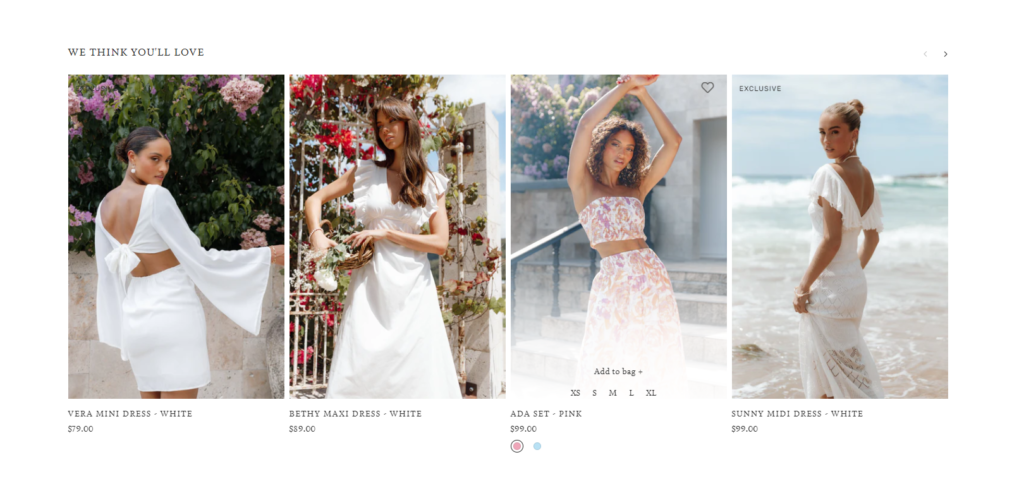
a series of photos of women in white dresses

Merchandising begins with the eyes, so present products in a visually favorable light to encourage purchases. Create this effect by making sure products are:

  • Clean
  • Well organized
  • Placed in a logical spot
  • Spaced sufficiently
  • Creatively displayed

Product merchandising design and packaging influence the buyer when presented at the right time in the right way. Creatively tying in related products or accessories creates cross-sell and upsell opportunities to increase sales. For specific strategies, consider the following:

  • Color psychology: Using the right colors can influence customer behavior, such as prompting action with red or establishing trust with blue. Be sure to use consistent palettes across your site and other platforms to reinforce your branding.
  • Product placement: Strategically placing products on your site follows the same logic as placing key items at eye level in a supermarket. You should place the best deals or products you want to push in the most prominent positions of your site, such as on your homepage or the top of your Shopify collections. Leverage eCommerce merchandising principles like the rule of three to balance compositions and create aesthetic displays.
  • Signage and display: The value of your store's products and deals should be easy to see. For example, if you offer seasonal deals or cost-effective bundles, they should take priority on your homepage and collection pages with potential savings prominently displayed.

» Still confused? Here's our complete guide to visual eCommerce merchandising

Advanced Visual Merchandising

Implement advanced visual merchandising strategies, such as product bundles and custom displays, into your eCommerce store with Fast Simon's AI-powered technology.

Seasonal Merchandising Cycles

Merchandising seasons and cycles play a key role in merchandising. Some retailers make upwards of 80% of their sales during the holiday season, so holiday-season merchandising strategies are crucial.

Seasonality is an important principle of merchandising. Cycles relate to cultural customs, holidays, and seasonal events such as:

  • Weather patterns: Weather directly influences demand for certain products. For example, sales of warm clothing or heating appliances might increase in winter, while demand for swimwear and outdoor furniture might surge in summer.
  • School schedules: The "back-to-school season" often sees a rise sales of school supplies and stationery, electronics, clothing, and other related products.
  • Religious and secular holidays: Major holidays and cultural nuances often affect consumer spending and product demand. Examples include decorations and gifts for Christmas, chocolates for Easter, flowers for Valentine's Day, etc.

» Here are the best merchandising ideas for Easter


How to Overcome Merchandising Challenges in Different Industries

1. Fashion

The biggest challenges in merchandising for fashion eCommerce include high competition, fast-changing trends, and a need to showcase visual appeal.

Best practices for fashion eCommerce merchandising:

  • High-quality visuals: Professional photography, 360-degree views, and video demonstrations are crucial for giving customers a clear view of what they'll be purchasing.
  • Personalized recommendations: Leverage AI to suggest outfits based on user preferences, browsing history, and purchase history.  
  • Interactive experiences: Virtual try-on tools, size guides, and style quizzes enhance the online shopping experience.  
  • Limited-time offers and exclusive drops: Create a sense of urgency and exclusivity to drive sales.

The fashion brand ASOS nails visual merchandising by providing products with multiple photos, zoom-in options, and catwalk videos that emphasize product details.

Screenshot of the ASOS website showing their high-quality product images

2. Electronics

The biggest challenges in eCommerce merchandising for electronics include complex product information, technical specifications, and a need to build trust and credibility.

Best practices for electronics eCommerce merchandising:

  • Detailed product descriptions: Provide comprehensive specifications, comparisons, and customer reviews.
  • Interactive product demos: Use videos and interactive elements to showcase product features and functionalities.
  • Live chat support: Offer real-time assistance from knowledgeable product experts.
  • Bundling and cross-selling: Promote complementary products and accessories.
  • Clear return policies: Build trust by offering hassle-free warranties, returns, and exchanges for faulty products.

Fast Simon's AI-Powered Merchandising

Build trust and optimize your store's customer experience with personalized bundles and tailored product recommendations.

» Need help? Here are our tips for cross-selling

Amazon is one of the best electronics eCommerce merchants around. It offers all the product details techies could ever ask for, with collapsible windows for even more information and specs.

a page with a picture of a laptop on it
Screenshot of the Amazon website showing their extensive product details for electronics merchandising

3. Home Goods & Furniture

The biggest challenge in eCommerce merchandising for home goods and furniture is showcasing large and bulky items that are difficult to visualize in a customer's space.

Best practices for home goods & furniture eCommerce merchandising:

  • 3D visualization tools: Allow customers to virtually place furniture in their homes using augmented reality (AR).  
  • High-resolution images and videos: Showcase the details and textures of products with high-quality visuals.  
  • Room scene inspiration: Create shoppable room scenes to provide design inspiration and showcase how products can be styled together.
  • Style guides and lookbooks: Offer curated collections and style guides to help customers create a cohesive look.

Ikea's Place app allows customers to use augmented reality to see how products will look in their homes before they purchase.

Standard living room with augmented reality chair using the Ikea Place app

4. Grocery

The biggest challenges in eCommerce merchandising for groceries include managing perishable goods, accurately representing freshness, and focusing on convenience and speed.

Best practices for home goods & furniture eCommerce merchandising:

  • High-quality food photography: Showcase the freshness and appeal of products with visually enticing images.
  • Personalized shopping lists: Allow users to save and share shopping lists, and suggest items based on past purchases and dietary preferences.
  • Slot-based delivery and pickup: Offer convenient delivery and pickup options with real-time tracking.
  • Interactive recipe integration: Integrate recipes with product suggestions and shopping lists.
  • Loyalty programs and rewards: Incentivize repeat purchases with personalized offers and exclusive discounts.


Take Control of Your eCommerce Merchandising With Fast Simon

Effective merchandising is a cost-effective way of boosting sales by optimizing the buying potential of shoppers who visit the store. The evolution of merchandising over the years is a testament to the way the commercial culture and market have grown, but one truth remains glaring and constant over thousands of years: merchandising is a must.
Thankfully, with the rise of AI and machine learning, digital merchandising for eCommerce doesn't have to be a difficult process. There are many AI-powered merchandising tools and technologies that can handle the heavy lifting while you focus on growing your business.

» Need a great digital merchandising tool? Book a demo with Fast Simon to see how we can help you

Zohar Gilad is the CEO and Co-Founder of Fast Simon, with extensive experience in eCommerce for the past decade. His articles have been published in Forbes, VentureBeat, Total Retail, Martech Series, Retail Touch Points, and more.

Merchandising FAQ

What KPIs should merchants track for merchandising?

To measure the success of smart merchandising, merchants should focus on KPIs that reflect discovery quality, conversion efficiency, and revenue impact:

Core KPIs

Conversion Rate (CR) – Are shoppers finding relevant products faster?

Average Order Value (AOV) – Are merchandising strategies encouraging higher-value baskets?

Revenue per Session – Direct indicator of merchandising effectiveness

Search Conversion Rate – Especially important for search-driven stores

Click-through Rate (CTR) on Product Grids – Measures product relevance and visual appeal

Operational KPIs

Out-of-Stock Exposure Rate – How often unavailable products are shown

Sell-Through Rate – Especially for promoted or pinned products

Inventory Coverage – Weeks of stock vs. product visibility

What’s the impact of smart merchandising on revenue or AOV?

Smart merchandising has a direct and measurable impact on revenue metrics:

Higher Conversion Rates

Promoting in-stock, high-performing, and relevant products reduces friction and improves decision-making.

Increased AOV

Strategies like margin mixing, matching sets, and visual grouping encourage shoppers to explore more products and add complementary items.

Revenue Lift Without More Traffic

By improving how products are ordered and presented, merchants generate more revenue from existing traffic—without increasing acquisition spend.

In practice, merchants see gains because Fast Simon ensures that product order reflects business priorities, not static catalog order or basic sorting logic

What types of merchandising rules are most commonly used?

Across Fast Simon merchants, the most common rule types fall into four categories:

1. Inventory-Based Rules

Promote products that are fully in stock

Bury or hide low-inventory or out-of-stock items

2. Performance-Based Rules

Promote high-converting or top-selling products

Boost trending products based on recent engagement

3. Business & Profitability Rules

Promote high-margin products

Balance popular items with more profitable alternatives

How do we manage complex catalogs at scale?

Instead of relying on static category ordering, teams define rules and strategies that automatically adapt to inventory, demand, geography, and seasonality. Products are promoted, buried, or hidden based on real-time data such as stock levels, sales velocity, margin, or freshness—so the catalog stays accurate and relevant at all times.

How do we align merchandising with inventory and fulfillment realities?

Fast Simon connects merchandising decisions directly to inventory data.

Products with healthy stock can be prioritized, while low-inventory or risky items are automatically deprioritized or hidden. This guides demand toward products that can actually be fulfilled—reducing cancellations, operational friction, and shopper frustration—while improving sell-through efficiency.

How can we run promotions and content updates without constant manual work?

Fast Simon centralizes promotional content into reusable assets—promo tiles and banners—that can be scheduled, targeted, and reused across collections and search results.

Instead of rebuilding campaigns every time, teams update content once and let automation handle placement and timing. This makes it easier to balance promotions with full-price items and keep merchandising fresh without daily manual effort.

How do we ensure our products are discoverable and rank well in search?

Fast Simon improves discovery by ensuring that on-site search and category results reflect shopper intent and business priorities.

High-performing and relevant products surface first, long-tail searches avoid dead ends, and no-results experiences are replaced with curated or personalized alternatives. This reduces bounce rates, increases engagement, and supports stronger organic performance by keeping shoppers on relevant, indexable pages longer.